
Schedule a Free Consultation  972-905-2170

Recent Blog Posts
Common Mistakes to Avoid When Seeking a Fiancé Visa
 Getting engaged is an exciting time, but the fiancé visa process adds extra considerations for couples where one person is not a U.S. citizen. You can avoid some common hurdles when applying to avoid delays or even denials. A Texas lawyer is someone who you can benefit from having on your side during the entire process.
Not Meeting Eligibility Requirements
You must demonstrate that you meet the legal criteria for a fiancé visa. This includes providing evidence that you had a real relationship involving meeting in person within the previous two years. Texas prohibits relationships established while one party was hired as a dating service.
Another key requirement is an intent to marry within 90 days of your fiancé’s U.S. entry. You will also need to submit proof of your ability to financially support your spouse, following Texas guidelines. If you have struggled with previous immigration violations or criminal charges, those issues could complicate eligibility.
What is Temporary Protected Status?
 Temporary Protected Status (TPS) is an immigration benefit allowing eligible individuals from designated countries to legally live and work in the United States. TPS provides a vital lifeline for those who would otherwise be at risk of harm or persecution in the individual’s home country. A Texas lawyer can help you determine if you may be eligible.
Country Designation
The first and most essential factor in determining TPS eligibility is whether the individual’s home country has been designated for TPS by the Secretary of Homeland Security. The Secretary may designate a country for TPS due to ongoing armed conflict, environmental disasters, or other extraordinary and temporary conditions that prevent nationals from safely returning home.
Continuous Physical Presence
To be eligible for TPS, an individual must have been continuously physically present in the United States since the effective date of the most recent TPS designation of the individual’s country. This means the individual must have been residing in the U.S. without significant absences. Brief, casual, and innocent departures from the U.S. may be permitted, but working alongside an attorney before traveling outside the country is crucial to avoid jeopardizing TPS eligibility.
Public Charge Grounds in Visa Denial in Texas
 Visa denials based on public charge grounds can be a significant obstacle for individuals seeking to enter or remain in the United States. However, with the right strategies and legal guidance, it is possible to overcome these challenges. A Texas lawyer can help you determine effective approaches to address public charge concerns.
The Importance of Understanding Public Charge Grounds
The public charge concept refers to the government’s assessment of whether an individual is likely to become primarily dependent on public assistance for subsistence. When determining public charge inadmissibility, immigration officials consider factors such as age, health, family status, financial resources, education, and skills. Understanding these factors and how they apply to your specific case is important.
Legal Strategies for Overstayed Visas in Texas
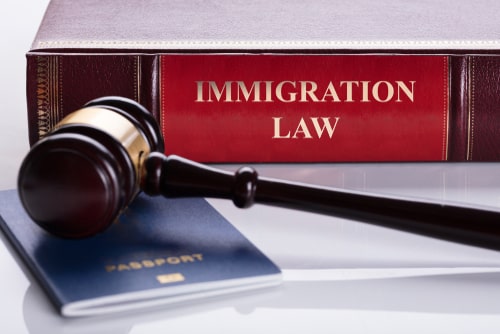 Remaining in the United States after your visa has expired is a violation of immigration laws. If you have overstayed your visa in Texas, you could face serious legal consequences. However, depending on your specific situation, there are some potential legal strategies to explore. A Texas lawyer can help you determine which strategies may work best for you.
Requesting an Extension
One option is to file for an extension of your current visa status before it expires. This process requires submitting forms and evidence to U.S. Citizenship and Immigration Services (USCIS) to demonstrate your continued eligibility.
The requirements and lengths of extension that are allowed vary based on your current visa type. For instance, visitor visa holders may be able to extend their stay for up to six additional months. Students can potentially receive extensions to allow them to complete their studies.
Navigating the H-1B Visa Process in Texas
 The H-1B visa is an invaluable tool for those abroad who wish to work in the United States. However, navigating the H-1B application process can be extraordinarily complex and competitive. A Texas lawyer can help you understand key considerations, rules, and best practices when pursuing an H-1B visa, specifically in Texas. Whether an employer is looking to fill a specialty role or a worker is seeking the chance to use their talents in the United States, understanding the intricacies of the H-1B from a Texas legal perspective is critical.
Understanding H-1B Requirements and Quotas
Before applying for an H-1B, it is critical to understand the program’s requirements and limitations. An H-1B petition must demonstrate that:
- The offered position qualifies as a specialty occupation
- The foreign worker holds at least a bachelor’s degree or equivalent experience related to the position
Immigration Options: Adjustment of Status or Consular Processing in Texas
 Immigrating to the United States can be a complex, intimidating process. Understanding the laws that will apply to a particular immigrant and the family member or employer who is sponsoring them for immigration can be difficult. The steps that will need to be followed will be different depending on where the immigrant is currently located and other factors that may affect their case.
There are two primary routes for immigrants who are seeking an immigrant visa and Green Card: adjustment of status and consular processing. Understanding the distinctions between these options is crucial, and it can ensure that a person can make informed decisions about their immigration journey. An experienced attorney can provide invaluable guidance for immigrants, helping them navigate these procedures correctly.
When Will an Immigrant Be Allowed to Work in the United States?
 For many immigrants, one of the main goals of coming to the United States is to find employment and build a better life. However, not all immigrants are automatically allowed to work upon their arrival. The ability to work in the U.S. depends on several factors, including visa type and immigration status. A Texas attorney who assists with immigration issues can provide information about when it may be necessary to apply for permission to work in the United States.
Work Authorization for Permanent Residents
A permanent resident, also known as a Green Card holder, will generally have the right to live and work permanently in the United States. Once an immigrant obtains a Green Card through family sponsorship, employment-based sponsorship, or other means, they can apply for unrestricted Social Security cards that allow them to legally work for any employer in any occupation. Immigrants who receive
How to Prepare for an Immigration Visa Interview
 Applying for an immigration visa is a complex process that requires careful preparation and attention to detail. One of the most critical steps in this process is the visa interview, which can often determine whether or not your application will be approved. To increase your chances of success, it is essential to properly prepare for your immigration visa interview. An attorney who assists with visa applications and other immigration issues can provide invaluable advice and legal guidance during this process, ensuring that you will be prepared to answer questions asked by immigration officials.
Here are some tips on how to make sure you are ready for your visa interview:
Gather All Required Documentation
Prior to your interview, make sure you have all the required documentation ready. This may include passports, birth certificates, marriage certificates, financial documents, and any other supporting materials relevant to your case. Organize these documents in a logical manner so that they are easy to access during the interview.
New Texas Law Will Allow Police to Arrest Undocumented Immigrants
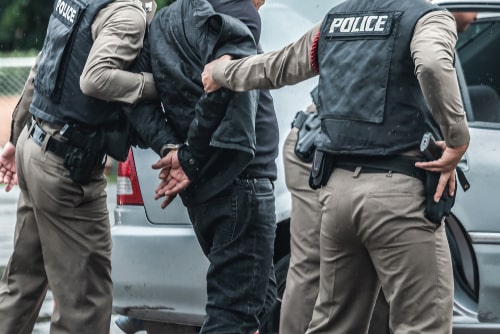 Over the past several years, immigration officials in the United States have struggled to deal with an increasing number of migrants who are attempting to enter the country by crossing the border from Mexico. In response to this issue, the state of Texas has taken a number of measures intended to prevent people from entering the country without authorization. Recently, the state passed a new law that will allow law enforcement officials to perform arrests of undocumented immigrants and charge them with criminal offenses.
With the challenges that immigrants face when entering the United States or seeking permanent residence, it is important to ensure that they have legal representation as they address these issues. An attorney with experience in immigration law can help immigrants meet their legal requirements as they apply for visas or Green Cards, while also addressing any legal concerns that could affect their ability to continue living in the U.S.
Can I Stay in the U.S. if My Baby Is Born in America?
 If a child is born on U.S. soil, they are automatically granted U.S. citizenship by virtue of the "birthright citizenship" principle enshrined in the 14th Amendment to the U.S. Constitution. This means that the child becomes a U.S. citizen regardless of the immigration status of their parents. This legal provision has significant implications for families who may be in the U.S. without proper documentation or on temporary visas.
Mothers who are thinking about or have already given birth in the United States need to establish their right to stay in the country. This involves submitting an application for a Green Card or another suitable visa. You need a skilled Texas immigration attorney to help you.
Could My Child Sponsor Me?
One of the immediate benefits of having a child born in the U.S. is that it can provide a sense of security for the parents, as their child is a U.S. citizen and entitled to all the rights and privileges that come with it. This includes access to education, healthcare, and social services. Additionally, as U.S. citizens, these children can sponsor their parents for lawful permanent residency (Green Cards) once they turn 21, provided they meet certain eligibility criteria.


From our offices in Dallas and Plano, Texas, we serve clients throughout the surrounding areas including Fort Worth, Irving, Arlington, Farmers Branch, Frisco, Carrollton, Garland, Addison, Richardson, Allen, Murphy, Wylie, McKinney, Dallas County, Collin County, Denton County, and all of Northeastern Texas.
Results listed are not a guarantee or indication of future case results.
Contact Our Firm
 The use of the Internet or this form for communication with the firm or any individual member of the firm does not establish an attorney-client relationship. Confidential or time-sensitive information should not be sent through this form.
I have read and understand the Disclaimer and Privacy Policy.